By dawn's early light

It's my first Notes from the Future so I have a little explaining to do. This newsletter is an attempt to share some of the value I mine from the golden hours of my day. Every morning, with the smug afterglow of a swim in the sea, I come home to read promiscuously about the history of the future. My only consistent skill in life has been to communicate in a way that makes people feel they feel some agency in a world of chaos. Every morning, I look out for ideas, people, conversation and pieces of hidden code that help me see human opportunity in an age of profound uncertainty. Every week, I intend to curate the crystallised intelligence I gain from these golden hours, and - hopefully with with your help - start to chronicle the patterns that become apparent to us.
I approach this newsletter as a cumulative trove of deep reading rather than my particular insights, but you will notice themes beginning to emerge ....
Generation UnSafe
With increasing distance, we should look back at the pandemic as a great psychological scar that still festers in democratic societies. We've simply never properly accounted for the generational rage that emerged from lockdown. It's shaped a countercultural rejection of institutional rule and a 'burn it all down' energy in public life.
It breaks my heart to read a new US survey which also reflects the fear and insecurity of young people who came of age during COVID, a sort of stealing of innocence. 1,644 young people ages 10 to 24 were asked to rate the importance of 14 personal goals. These included classic teenage desires such as “being popular,” “having fun” and “being kind.”
None of these ranked as the top priority. Instead, the No. 1 answer was “to be safe.”
Whereas previous generations may have taken safety for granted, today’s youth are growing up in an era of compounded crises — school shootings, a worsening climate crisis, financial uncertainty and the lingering trauma of a global pandemic. Even though our research did not pinpoint the specific causes of adolescent fears, the constant exposure to crises, amplified by social media, likely plays a significant role in fostering a pervasive sense of worry.
 Yalda T. Uhls
This week, the role of social media in generational alienation is captured in a survey by the British Standards Institution, which finds that almost half of young people would rather live in a world where the internet does not exist.
The research reveals that nearly 70% of 16- to 21-year-olds feel worse about themselves after spending time on social media. Half (50%) would support a “digital curfew” that would restrict their access to certain apps and sites past 10pm, while 46% said they would rather be young in a world without the internet altogether.
 Raphael Boyd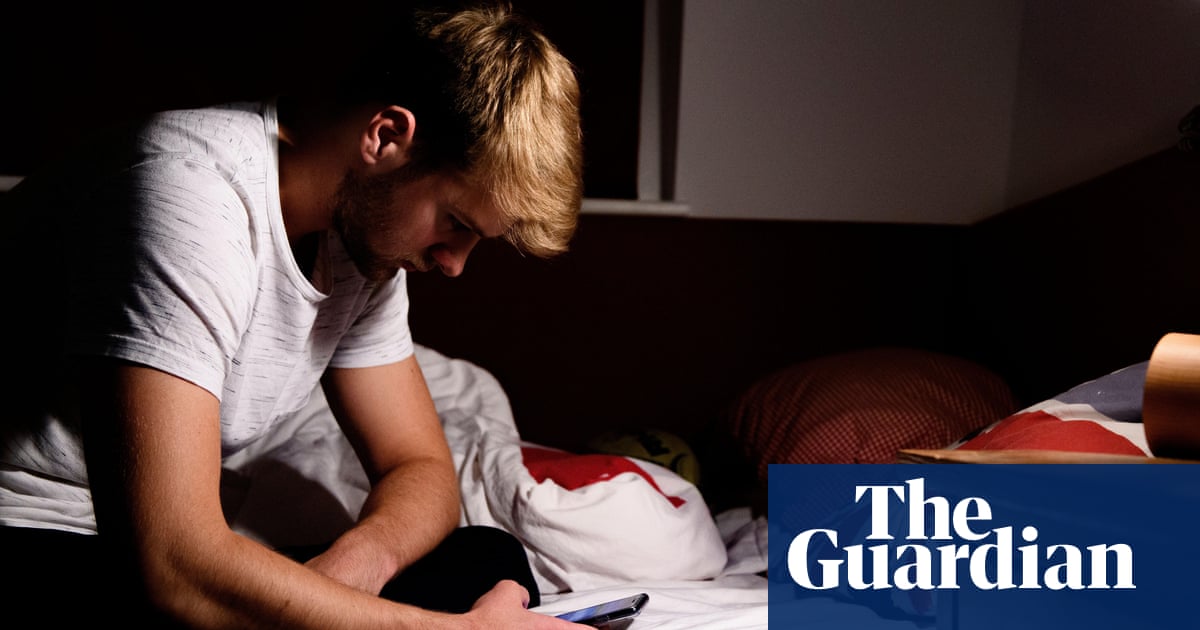
Generation Z will be the first cohort of young people graduating into a world of work reshaped by AI. At risk are highly skilled and highly prized white-collar jobs, and the entry-level positions that have been so critical to careers in law and finance.
But there's some grounds for optimism for those who stick with very traditional educational paths. Degree holders in nutrition, art history and philosophy all outperformed STEM fields when it comes to employment prospects, according to a recent analysis of labor market outcomes of college graduates by major by the Federal Reserve Bank of New York.
I particularly love this quote from the chief operating officer of BlackRock, the world’s biggest money manager:
“We have more and more conviction that we need people who majored in history, in English, and things that have nothing to do with finance or technology”
 Jessica Dickler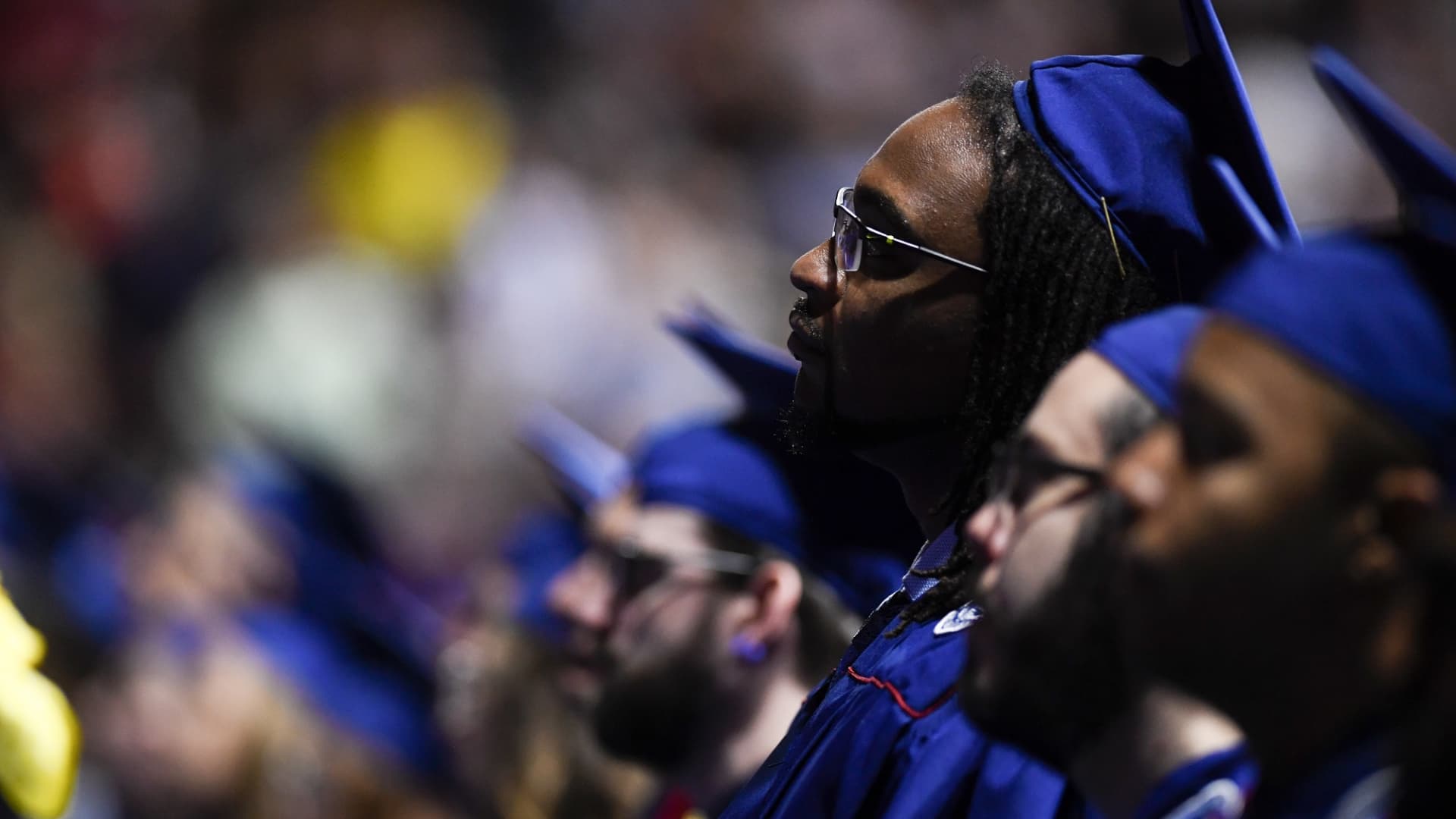
Solar Flares
Sometimes you stumble across a contrast that takes your breath away.
 Tim McDonnell
The US Department of Energy plans to cancel subsidies for renewable energy programmes, including a loan guarantee for low-income homeowners seeking to install rooftop solar panels.
On the same day, there was this story ...
China has just announced a record-breaking increase in solar power generation in the first quarter of 2025. It generated a record 60 gigawatts — enough to power roughly 40 million homes
Guess who the future is going to belong to?
 More Info
Garbage In
Among the other stories that deserve the description 'breath-taking" ...
“This should be a learning moment for all of journalism.” “For this material to have reached print, it should have had to pass through a human writer, human editors at King, and human staffers at the Chicago Sun-Times and The Philadelphia Inquirer. No one stopped it.”
 Damon Beres, Charlie Warzel
Conversation of the week:
What does the rise of agentic AI mean for the poor old web? It's not entirely bad news, if you listen to this remarkable conversation with Microsoft's CTO Kevin Scott (who this week announced an open-source tool for websites to integrate AI-powered natural language search)
Nilay Patel is always the best interviewer!
 Nilay Patel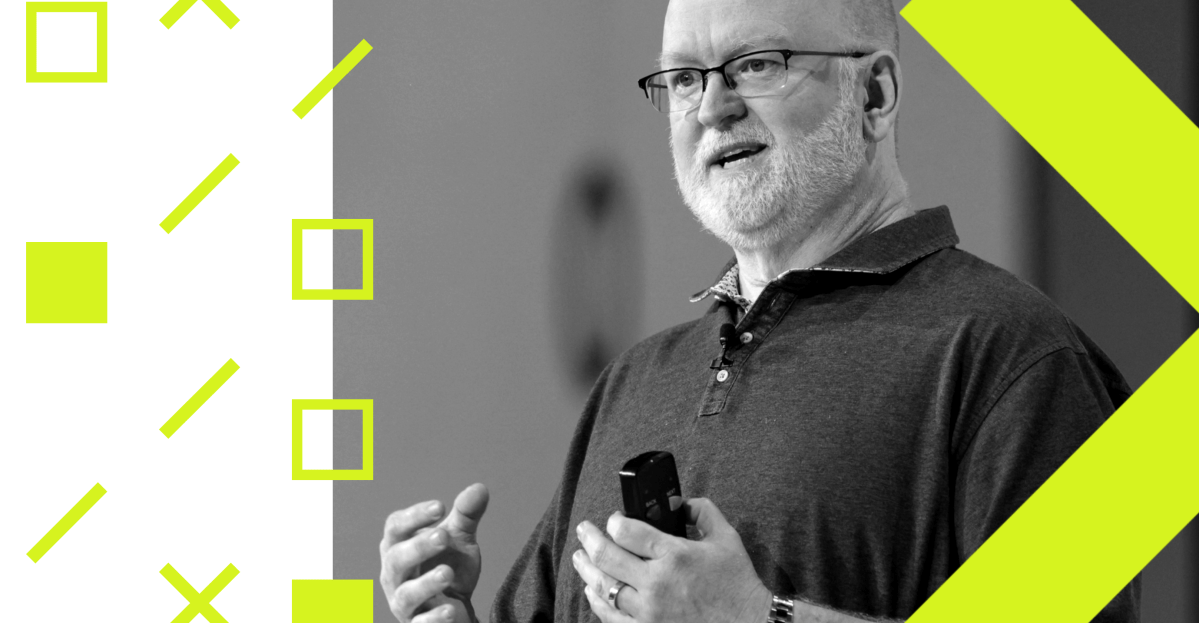
A Prayer for our Times
I'm a fan of Nicholas Thompson's LinkedIn feed, in which he posts a daily video about the best thing in tech. This week he had a charming encounter with someone who continually inspires me, Taiwan's digital minister Audrey Tang.
"When you hear the singularity is near, remember the plurality is already here"
 Nicholas Thompson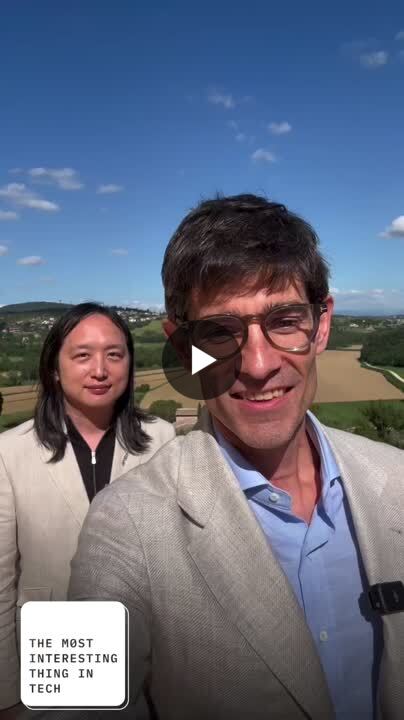
Weather People in the Loop
From the Financial Times
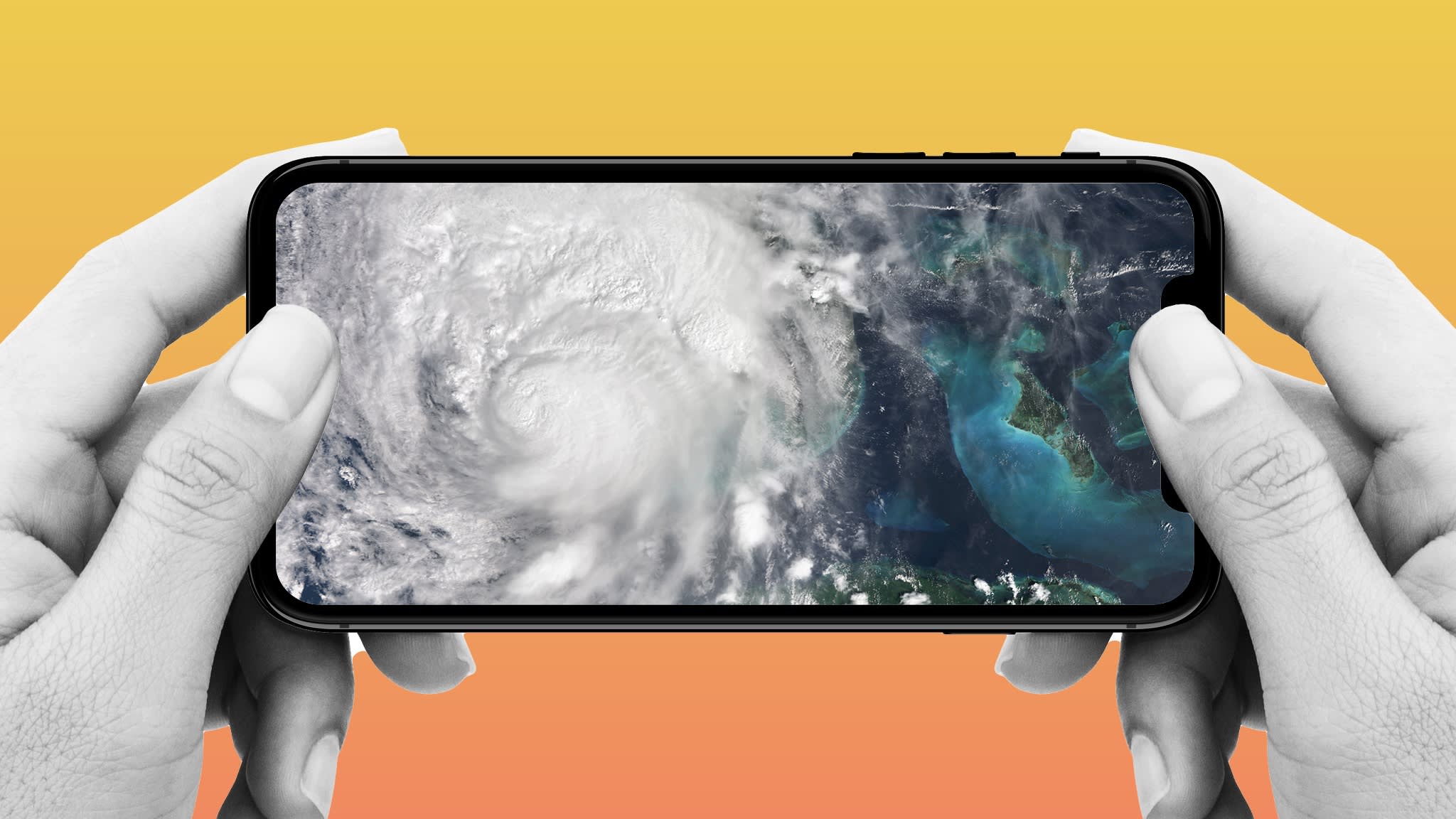
A new wave of AI models is revolutionising weather forecasting. But continued progress demands continued data sharing among forecasters, something that Donald Trump's jihad on science has put in jeapardy. Still, it does seem AI is not coming for the weather forecasters any time soon. Love this reminder of why humans need to be in every important loop.
Meteorologists will still be needed, they say — perhaps more than ever. They will have to adjudicate differences between duelling AI models. They will maintain a vital role in putting raw forecasting numbers in context and communicating levels of risk and suggested mitigation. Raw data will still need to be collected and in some cases vetted to account for anomalies. The Met Office itself had to rescind a “record” Scottish temperature set in 2018 because the sensor was close to an ice cream van.
Quotes of the Week
From a masterful essay in the New York Times by British political scientist David Runciman, who offers a cautionary tale about the rise of politicians and political advisers who want to burn the world down.
If you act like a start-up boss who only wants to break things faster than the next guy — or if you employ such a boss as your henchman — you may find there is no political system left to work with.
The Economist is pretty merciless in its review of a new book chronicling the duplicity surrounding Joe Biden's decline in office:
Revisionist historians may someday emphasise Mr Biden’s legislative achievements. But those cannot compensate for his hubris. Having once declared himself a bridge to a new generation, he became, instead, just a bridge “from one Trump term to the next”, the authors of “Fight” conclude. This may not be merely a story of the decline of a man, his party and the media. It may turn out to be about the decline of American democracy itself.
 The Economist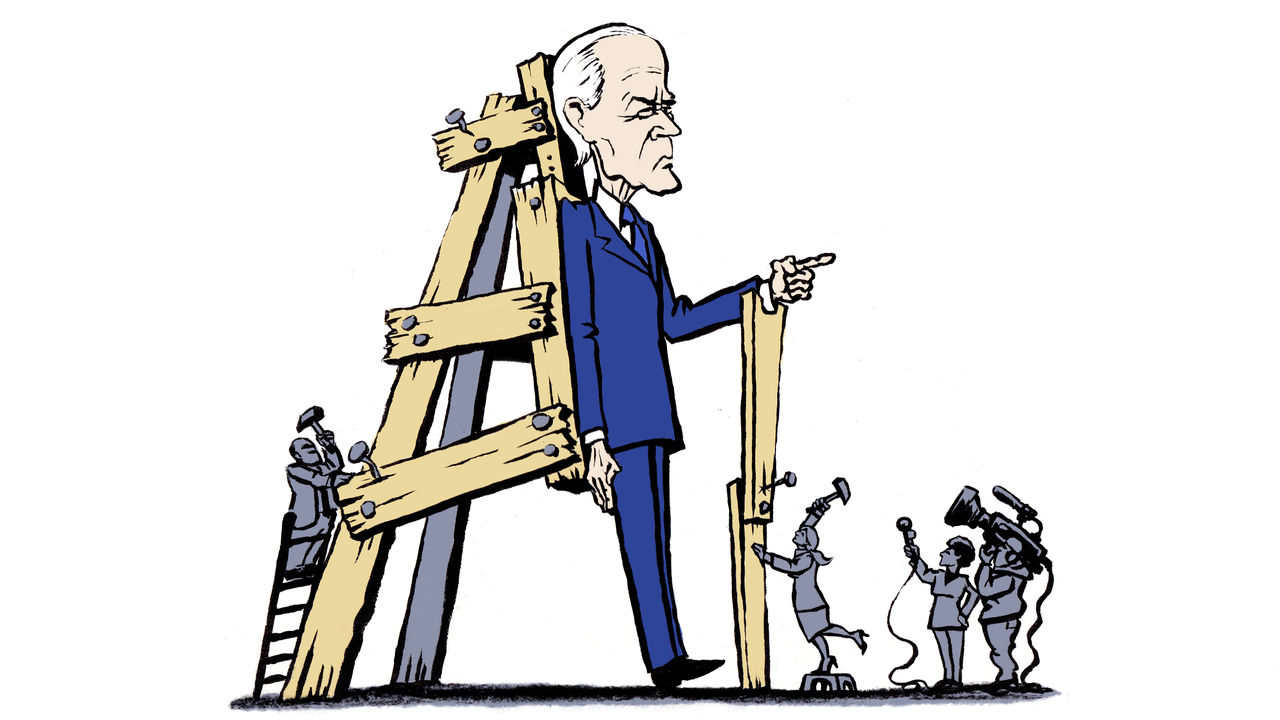
From Samantha Lackney, a hair salon owner in Alexandria, Virginia, in this lovely personal testimony of real people in the real world colliding with AI:
I cannot tell you how many times in the last six to eight months that clients have come in and shown me photos of stuff they’re looking at, and I have to explain it’s an AI photo. You’ll see images online where hair looks super voluminous, super dense and thick, but if you look closely, you’ll notice that very few people truly have that length of hair and that volume and texture.
 Marin Cogan
A final 'take-your-breath' away factoid on America's careening drive into the brick wall of history:
The US Treasury will soon pay more than $1trn per year of debt interest, almost as much as it spends on health care for the old.
 The Economist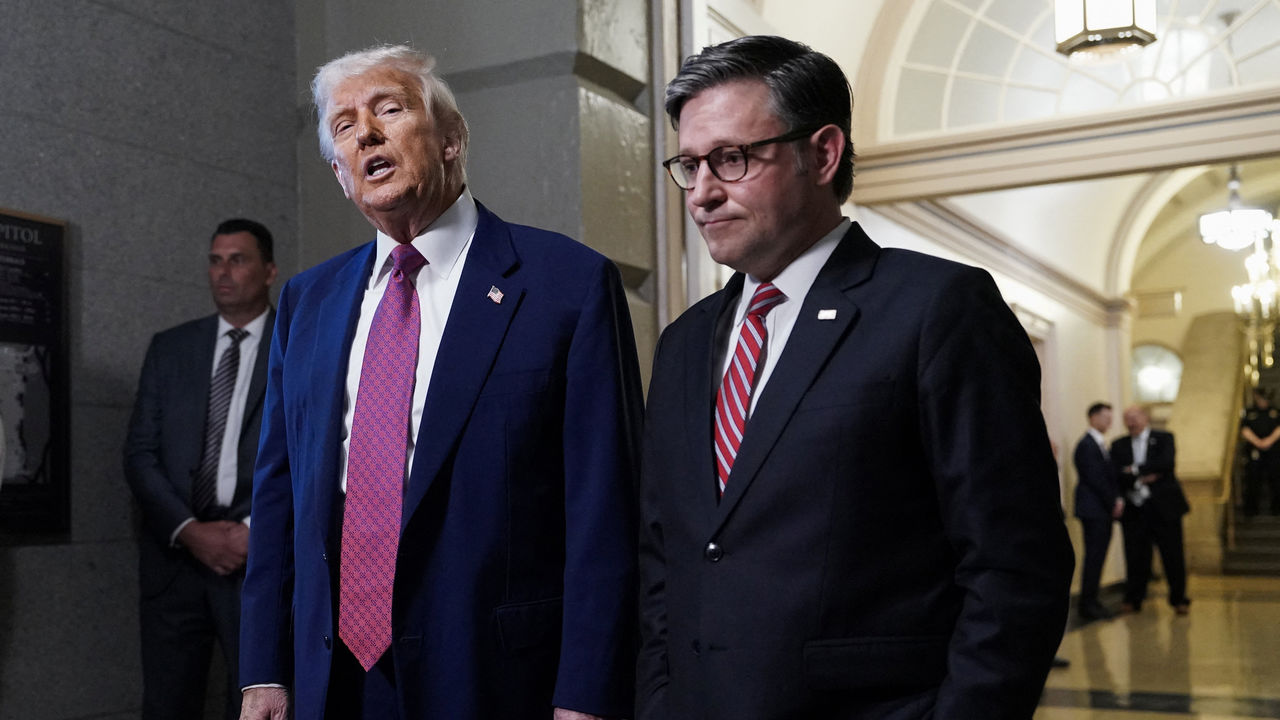
See you next week ...